
Understanding when and how to feed your plants throughout the year is one of the most important skills any gardener can develop. Just as our nutritional needs change with the seasons, plants have different nutrient requirements during various stages of their growth cycle. To make the most of seasonal feeding, it's essential to understand NPK fertilizers and how nutrients work. This comprehensive guide will help you master seasonal plant feeding, ensuring your garden thrives from spring through winter with the right nutrients at the right time.
Understanding Plant Growth Cycles and Nutrient Needs
Plants follow distinct growth patterns throughout the year, and their nutritional requirements change accordingly. During the active growing season, plants need more nutrients to support vigorous growth, flowering, and fruiting. In contrast, during dormancy, their nutrient needs decrease significantly. Understanding these cycles is fundamental to effective seasonal feeding.
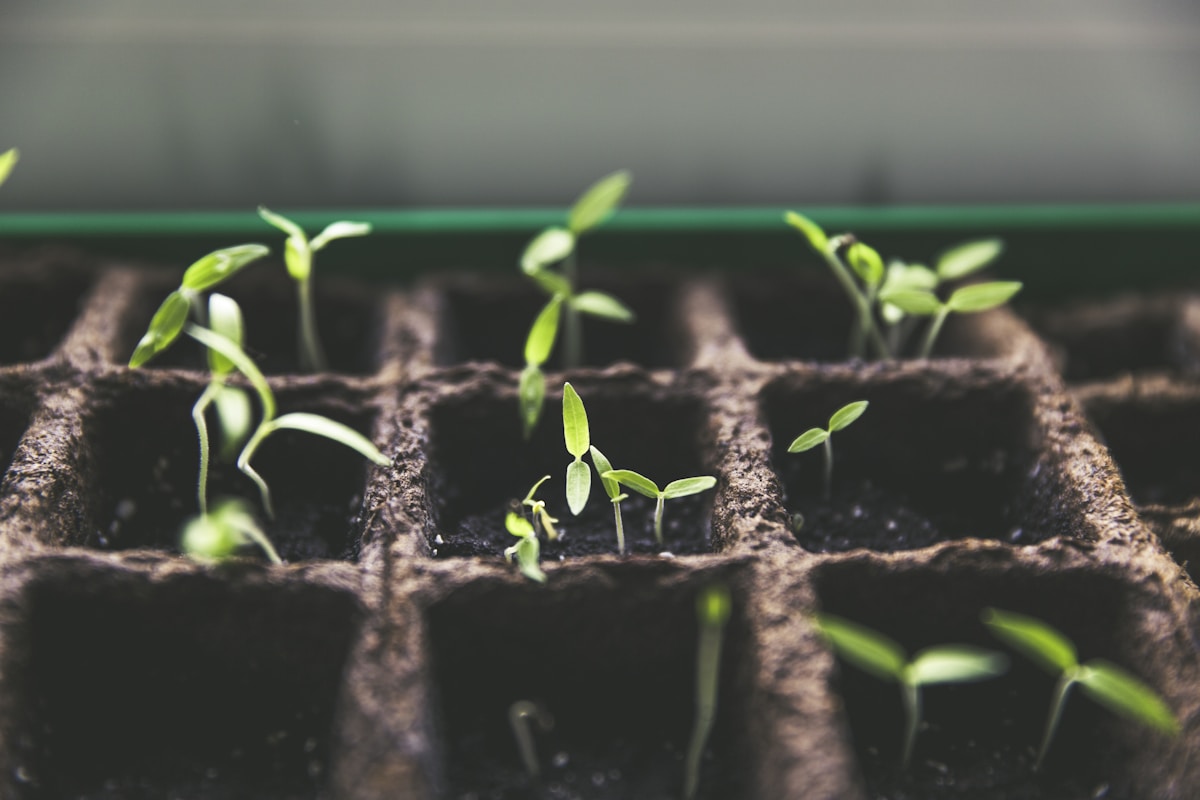
Spring marks the beginning of the active growth period for most plants. As temperatures rise and daylight hours increase, plants emerge from dormancy and begin rapid vegetative growth. This is when they need high levels of nitrogen to support leaf and stem development. Phosphorus becomes crucial for root establishment, while potassium helps with overall plant health and disease resistance.
Summer brings the peak growing season, with plants focusing on flowering and fruiting. During this period, the nutrient balance shifts. While nitrogen remains important, phosphorus and potassium take on greater significance. Phosphorus supports flower and fruit development, while potassium helps plants manage stress from heat and drought. Trace elements like magnesium, iron, and zinc also become more critical during this high-demand period.
Spring Feeding: Awakening Your Garden
Spring feeding is perhaps the most critical feeding period of the year. As plants break dormancy, they need a nutritional boost to support rapid growth. The timing of spring feeding is crucial – too early, and nutrients may be wasted or leached away before plants can use them; too late, and you may miss the critical early growth window.
For most garden plants, begin feeding in early spring when you see the first signs of new growth. This typically occurs when soil temperatures reach around 10-12°C (50-54°F). Start with a balanced fertilizer that provides equal or near-equal amounts of nitrogen, phosphorus, and potassium, such as an 18-18-24 formulation. This gives plants the foundation they need for strong root development and healthy foliage.
As spring progresses and plants establish themselves, you can transition to fertilizers with slightly higher nitrogen content to support continued vegetative growth. For flowering plants, begin reducing nitrogen and increasing phosphorus as flower buds begin to form. This shift encourages the plant to focus energy on flower production rather than excessive leaf growth.
Special Considerations for Spring Feeding
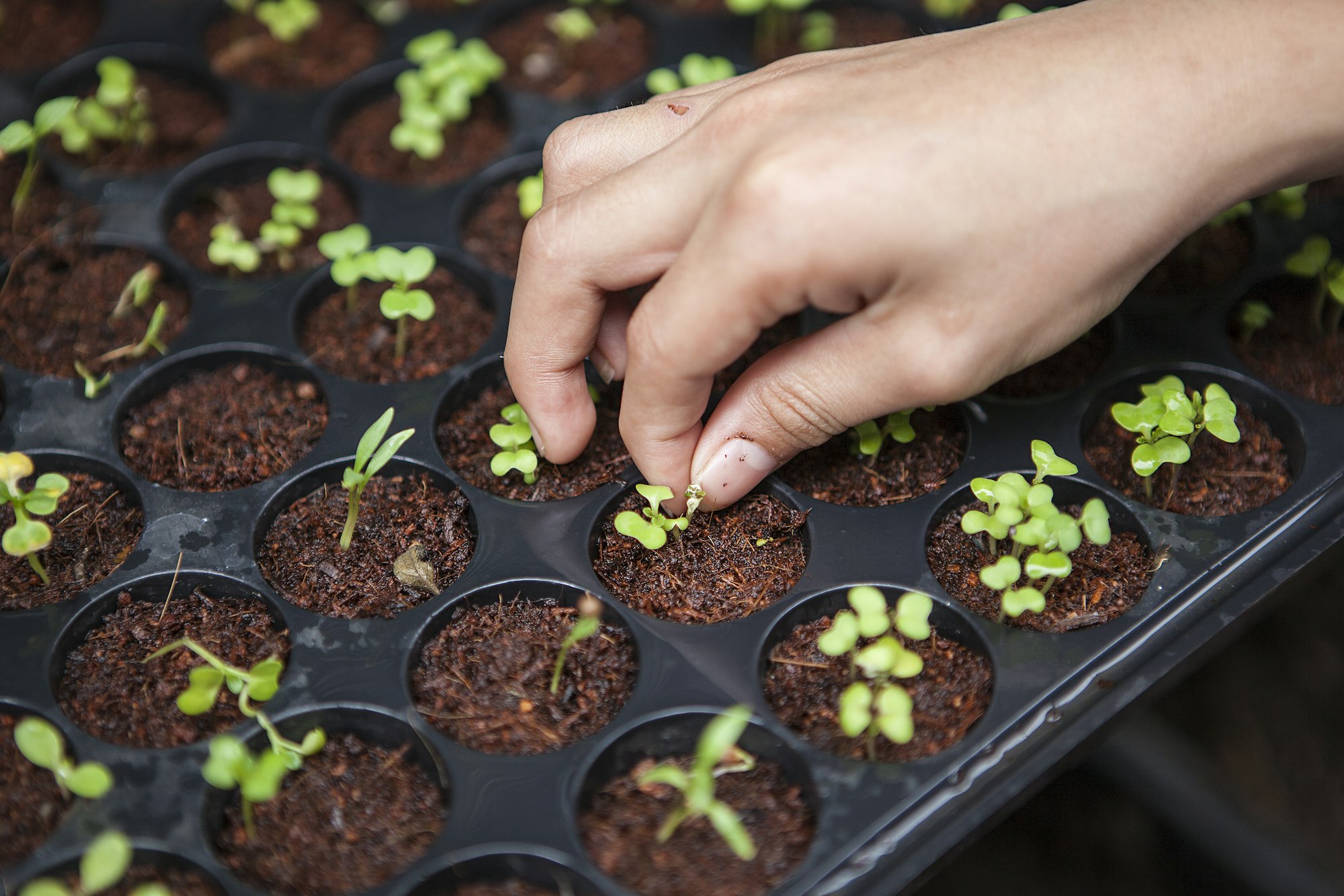
Newly planted trees, shrubs, and perennials benefit from a starter fertilizer high in phosphorus to encourage root establishment. Established plants that were fertilized in autumn may need less spring feeding, as they can draw on stored nutrients. Container plants require more frequent feeding in spring, as nutrients leach more quickly from potting mix.
Summer Feeding: Supporting Peak Performance
Summer is when most plants reach their peak performance, and their nutritional needs are at their highest. Regular feeding during summer is essential for maintaining plant health, supporting continuous flowering, and ensuring good fruit and vegetable production. However, the approach to summer feeding differs from spring feeding.
During summer, switch to a fertilizer formulation that supports flowering and fruiting. A fertilizer with higher phosphorus and potassium content, such as a 5-10-10 or 8-8-12 ratio, works well for most flowering and fruiting plants. The reduced nitrogen helps prevent excessive vegetative growth while the increased phosphorus and potassium support flower and fruit development.
Frequency of application becomes important in summer. For fast-growing annuals and container plants, feed every two to three weeks. For perennials and established plants, monthly feeding is usually sufficient. Always water thoroughly before and after applying fertilizer to prevent root burn and ensure nutrients are available to plants.
Managing Summer Stress
Summer brings challenges like heat stress, drought, and increased pest pressure. Plants under stress have different nutritional needs. During hot, dry periods, reduce fertilizer application frequency but maintain adequate potassium levels, as this nutrient helps plants manage water stress. Consider using liquid fertilizers during drought periods, as they're more readily available to plants and less likely to cause root damage in dry soil.
Autumn Feeding: Preparing for Dormancy
Autumn feeding serves a different purpose than spring and summer feeding. The goal is to help plants prepare for winter dormancy while storing nutrients for the following spring. This is particularly important for perennials, trees, and shrubs that need to build up reserves to survive winter and emerge strong in spring.
In early autumn, continue feeding plants that are still actively growing or producing. As growth slows and plants begin preparing for dormancy, switch to a low-nitrogen, high-potassium fertilizer. Potassium helps plants harden off properly, improving their cold tolerance and disease resistance. Avoid high-nitrogen fertilizers in late autumn, as they can encourage tender new growth that will be damaged by frost.
For most plants, stop feeding about six to eight weeks before the first expected frost. This gives plants time to use up any remaining nutrients and begin the hardening-off process. However, some plants, like winter vegetables and cool-season annuals, may benefit from continued feeding throughout autumn.
Winter Considerations: Minimal Feeding
Most garden plants enter dormancy during winter and require minimal or no feeding. However, there are exceptions. Indoor plants, greenhouse plants, and winter vegetables may need continued feeding, though at reduced rates. For dormant plants, focus on maintaining soil health rather than active feeding.
Winter is an excellent time to prepare for the coming growing season. Test your soil to understand its nutrient levels and pH. Add organic matter like compost or well-rotted manure to improve soil structure and provide slow-release nutrients. This preparation ensures your soil is ready to support healthy plant growth when spring arrives.
Choosing the Right Fertilizer for Each Season
The type of fertilizer you choose matters as much as when you apply it. Soluble fertilizers provide quick nutrient availability and are ideal for spring and summer when plants need immediate nutrition. Slow-release fertilizers provide nutrients over an extended period, making them excellent for container plants and situations where regular feeding isn't possible.
Organic fertilizers release nutrients more slowly and improve soil health over time. They're particularly valuable for autumn applications, as they continue to break down and provide nutrients throughout winter and into spring. Synthetic fertilizers provide precise nutrient ratios and immediate availability, making them ideal for addressing specific nutrient deficiencies or supporting peak growth periods.
Consider using specialized fertilizers for different plant types. Rose fertilizers, citrus feeds, and vegetable fertilizers are formulated with the specific nutrient ratios and trace elements that these plants need most. Using the right specialized fertilizer can make a significant difference in plant performance.
Best Practices for Seasonal Plant Feeding
Successful seasonal feeding requires attention to several key practices. Always read fertilizer labels carefully to understand nutrient ratios and application rates. Over-fertilizing can be as harmful as under-fertilizing, causing nutrient burn, excessive growth, or environmental problems.
Water management is crucial when feeding plants. Apply fertilizers to moist soil, and water thoroughly after application to help nutrients move into the root zone. During dry periods, ensure adequate irrigation to prevent fertilizer from concentrating in dry soil and potentially damaging roots.
Monitor your plants regularly for signs of nutrient deficiency or excess. Yellowing leaves, stunted growth, poor flowering, or leaf burn can all indicate nutritional problems. Adjust your feeding schedule and fertilizer choice based on plant response and growing conditions.
Keep records of your feeding schedule, fertilizer types used, and plant responses. This information helps you refine your approach each year and develop a feeding program tailored to your specific garden conditions and plant varieties.
Conclusion: Mastering Seasonal Plant Nutrition
Effective seasonal plant feeding is both an art and a science. By understanding plant growth cycles, recognizing seasonal nutrient needs, and applying fertilizers at the right times with the right formulations, you can significantly improve your garden's health and productivity. Remember that every garden is unique, and successful feeding requires observation, adjustment, and a willingness to learn from your plants.
Start with the guidelines in this article, but don't be afraid to experiment and adapt based on your specific conditions. With time and experience, you'll develop an intuitive understanding of when and how to feed your plants, leading to a garden that thrives throughout the year. The investment in proper seasonal feeding pays dividends in plant health, flower production, and harvest quality. For more expert guidance, explore our Ultimate Guide to Superior Plant Nutrition, learn about NPK ratios and nutrient functions, or discover fast-acting fertiliser solutions for quick results when needed.